2025 South Korea Power Transformer Market: Analysis of Demand Evolution and Opportunities
2025-12-10
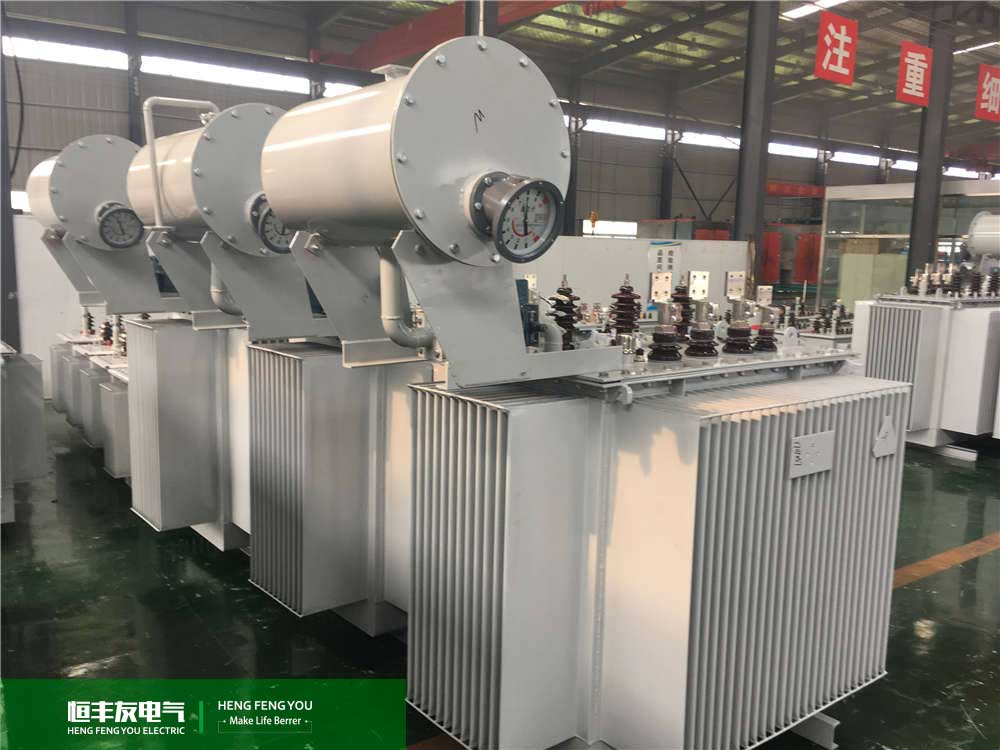
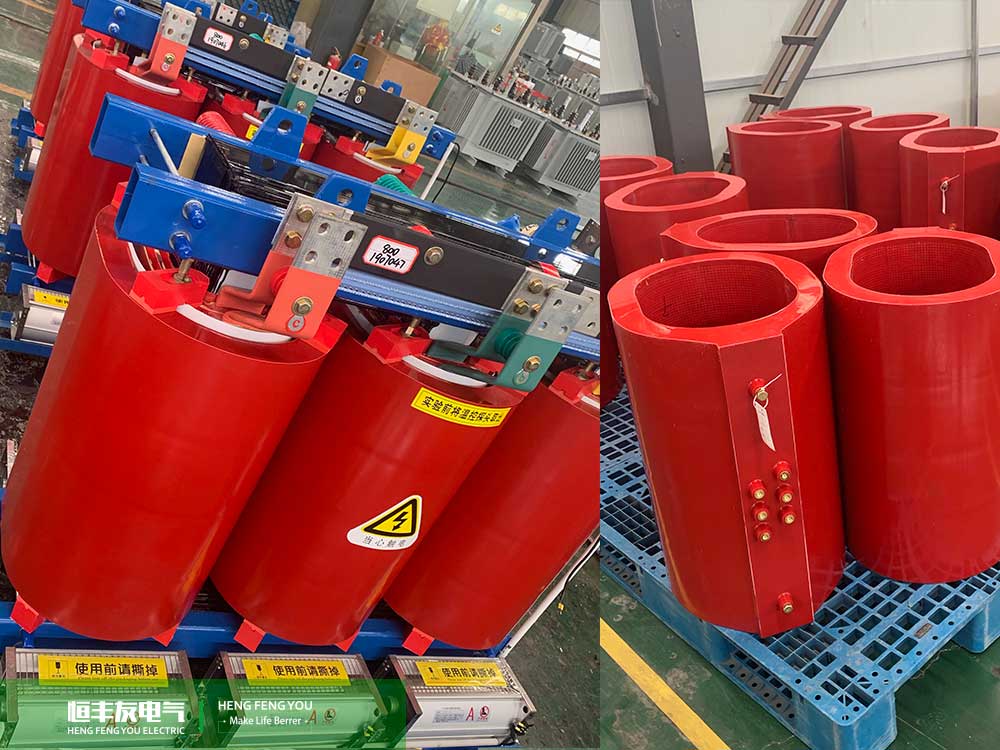
In 2025, the South Korean power transformer market is at a critical juncture defined by smart grid upgrades, the deepening of new energy strategies, and the transition to high-end industrialization. The demand for power transformer products that are energy-efficient, safe, compliant, and adaptable to various scenarios continues to expand. This article, based on the development context of South Korea's power industry, analyzes the dimensions of market demand drivers, product standards and access requirements, and the competitive landscape. Building on Hengfengyou Electric's established experience in overseas markets, it explores customized solutions tailored to the South Korean market, providing a reference for companies to seize opportunities in this market.
I. Analysis of Demand Drivers in the South Korean Power Transformer Market
(I) Grid Renovation and Smart Upgrades: Imperative Need for Replacing Aging South Korean Distribution Transformers
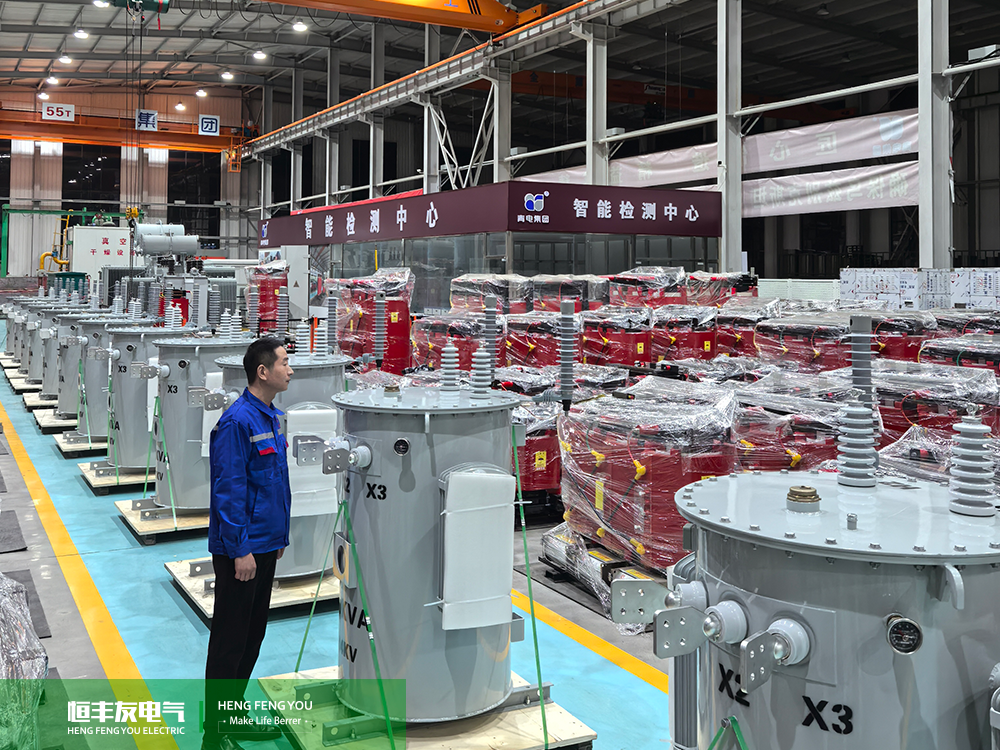
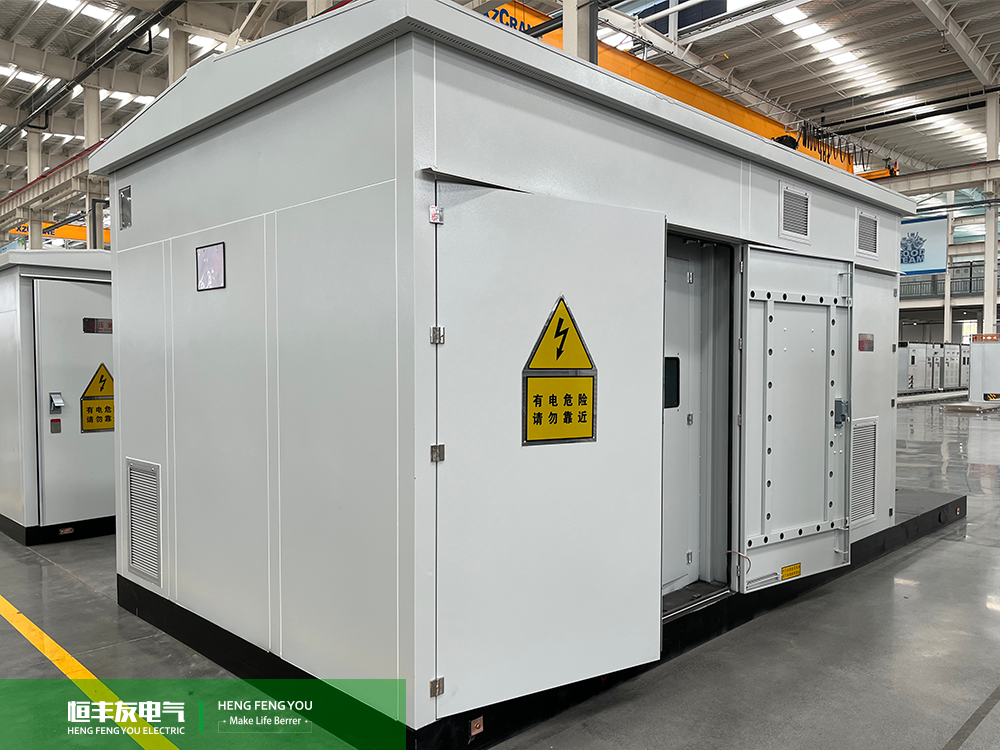
Approximately 30% of South Korea's existing power infrastructure has been in service for over 25 years, with an average loss rate for distribution transformers reaching 7%-9%. Issues of insufficient power supply stability and high energy consumption, stemming from equipment aging, are becoming increasingly prominent. To ensure power supply security, the South Korean government has clearly stated in the "*2023-2030 Power Infrastructure Upgrade Plan*" an investment exceeding 50 trillion won for grid renovation, focusing on smart upgrades for the 154kV-345kV backbone grid. It is projected that over 180 large main transformers will need replacement by 2025. Concurrently, the acceleration of smart city construction is driving upgrades in urban power distribution scenarios. The demand for compact, modular pad-mounted transformers, ideal for confined installation spaces, is estimated to exceed 35% market share.
(II) Challenges of New Energy Grid Integration: Driving Specialized Technology Development for South Korean New Energy Transformers
South Korea has set the strategic target for renewable energy to constitute 30% of its power generation by 2030. In recent years, photovoltaic and wind power projects have seen large-scale expansion. Regions rich in new energy resources, such as Jeju Island and South Jeolla Province, face technical challenges like grid connection voltage fluctuation (±10%) and coordination with energy storage systems. This creates an urgent need for products like intelligent voltage regulating transformers and storage-adaptable equipment that comply with the latest International Electrotechnical Commission (IEC) standards. Furthermore, some wind power projects in South Korea are located in high-altitude areas like Jeju Island, where winter temperatures can drop to -20°C, imposing special requirements on transformers, such as high-altitude attenuation resistance and stable low-temperature operation.
(III) High-end Industrialization and Infrastructure: Driving Incremental Demand for Efficient South Korean Distribution Transformers
The transformation of South Korean manufacturing towards high-value sectors has been notably successful. Pillar industries like semiconductors, automotive, and precision machinery demand increasingly higher levels of power supply stability and precision, generating demand for industrial transformers with low loss and high overload capacity. Simultaneously, the new round of urban renewal plans and business park construction (e.g., the Sejong Emerging Industry Park) is driving regular procurement of small and medium-sized distribution transformers. The expansion of industries such as cold chain logistics and food processing is also fostering market demand for specialized transformers with moisture-proof, anti-corrosion, and intelligent monitoring capabilities.
II. Detailed Explanation of Access Standards and Compliance Requirements for Power Transformers in South Korea
(I) Mandatory Energy Efficiency and Safety Standards
South Korea strictly enforces the KS (Korean Industrial Standards) energy efficiency system. Distribution transformers must meet the efficiency level equivalent to IE3 according to the KS C 4306 standard, whose no-load and load loss limits are more stringent than some international standards. For instance, no-load losses for a 40MVA transformer must not exceed 23kW. Regarding safety, products must obtain KTL (Korea Testing Laboratory) certification, meeting key specifications of the KS C 2110 standard concerning insulation performance and short-circuit withstand capability. For seismic defense regions like Seoul and Busan, transformers require seismic resistance certification of Zone 3 or higher.
(II) Compliance and Labeling Requirements
Power transformers entering the South Korean market must complete KC (Korea Certification) registration. Test reports must be issued by an ISO 17025 accredited local laboratory, with a certification cycle typically lasting 6 to 8 months. The product label must include bilingual identification in Korean and English, clearly indicating the manufacturing date, serial number, country of origin, KC certification number, and a traceability code, ensuring product traceability throughout its lifecycle. Additionally, companies must appoint a local South Korean agent as the compliance officer, responsible for post-sale regulatory coordination and technical support.
(III) Environmental and Scenario Adaptation Requirements
Given South Korea's diverse geographical and climatic conditions, transformers must satisfy multi-scenario adaptation needs: in low-temperature environments (minimum -20°C) they must pass cold start and insulation cold resistance tests; in high-altitude regions (e.g., projects around Mount Jiri) they must ensure capacity attenuation at 3000 meters altitude does not exceed 5%; products for coastal areas must possess salt spray corrosion resistance, with a protection rating not less than IP54. Simultaneously, transformers for new energy projects must possess ±10% voltage regulation capability, supporting seamless collaboration with photovoltaic inverters and energy storage systems.
III. Hengfengyou Electric's Power Transformer Solutions Adapted to the South Korean Market
Facing the high standards and personalized demands of the South Korean market, Jenny, the South Korea Market Manager at Hengfengyou Electric (jenny@hengfengyou.com), points out: "Deeply understanding and proactively meeting localized compliance requirements like KS and KC is the cornerstone of project success. On this foundation, integrating our ultra-efficiency and customization experience, already validated in high-end markets like Europe and America, with actual South Korean scenarios, is what enables us to offer truly competitive solutions." Based on its successful experience in international markets such as Canada and Serbia, Hengfengyou Electric can develop targeted solutions with the following core advantages:
(I) Ultra-Efficiency and Compliance Assurance
Product energy efficiency reaches the IE3+ level. Controlling no-load losses for 40MVA transformers below 21kW achieves over 15% more energy savings than required by the South Korean KS standard, potentially saving up to 30% in maintenance costs over three years, fully meeting mandatory KC certification and energy efficiency requirements. Through integrated compliance services, clients are assisted in KTL testing, KC registration, and other processes, shortening the market access cycle.
(II) Precise Adaptation with Scenario-Specific Technology
Specialized transformers for new energy are developed, featuring ±10% voltage regulation capability and energy storage system adaptation functions, addressing voltage fluctuation issues in renewable energy integration. For South Korea's climatic and geographic characteristics, transformer insulation materials and structural design are optimized, launching customized products resistant to low temperatures, salt spray, and earthquakes, adapted to different scenarios like high altitude, coastal areas, and seismic defense regions. Industrial-use transformers incorporate low-loss design and intelligent monitoring modules, supporting real-time monitoring of parameters like current, voltage, and temperature, along with remote alerts.
(III) Efficient Delivery and Localized Service
Leveraging its mature global supply chain, a fast delivery cycle of 3-4 months is achieved, 20%-30% shorter than the industry average, enabling a swift response to the timing needs of South Korea's grid renovation and project construction. Korean-language technical training materials and on-site installation guidance are provided, a 7x24-hour remote operation and maintenance support system is established, and in collaboration with local after-sales service networks, rapid fault diagnosis and repair are achieved, reducing customer downtime losses.
IV. Summary and Future Outlook of the South Korean Power Transformer Market
The South Korean power transformer market size is estimated to reach 32 billion US dollars in 2025. Smart grid upgrades, the transition to new energy, and high-end industrialization have become the three core growth engines. Although high standards in efficiency, safety, and environmental adaptation raise the industry entry barrier, they also create a broad market space for companies with technological leadership and strong compliance capabilities.
With its IE3+ ultra-efficiency technology, scenario-based customization capability, rapid delivery system, and full-process compliance support, Hengfengyou Electric is positioned to gain an advantage in the South Korean market competition. In the future, as South Korea advances the implementation of its new energy strategy and the continuous modernization of its grid, power transformer solutions possessing smart adaptation, green energy-saving, and localized service capabilities will become the key to leveraging the South Korean market. This will not only help South Korea achieve its energy transition and power security goals but also open a new growth pole for the international expansion of Chinese power equipment.
Data Sources:
South Korean Ministry of Trade, Industry and Energy - "2025 Power Infrastructure Investment Report"
Korean Standards Association (KSA) - Energy Efficiency Standard KS C 4306-2023
Korea Electric Power Corporation (KEPCO) - "2025 Grid Modernization Plan"
Global Electric Power Industry Database (CEIC) - "Special Report on the South Korean Market"
Send a message to the supplier